Start Where You Are, Use What You Have, Do What You Can (Friday 25th Oct 2024)

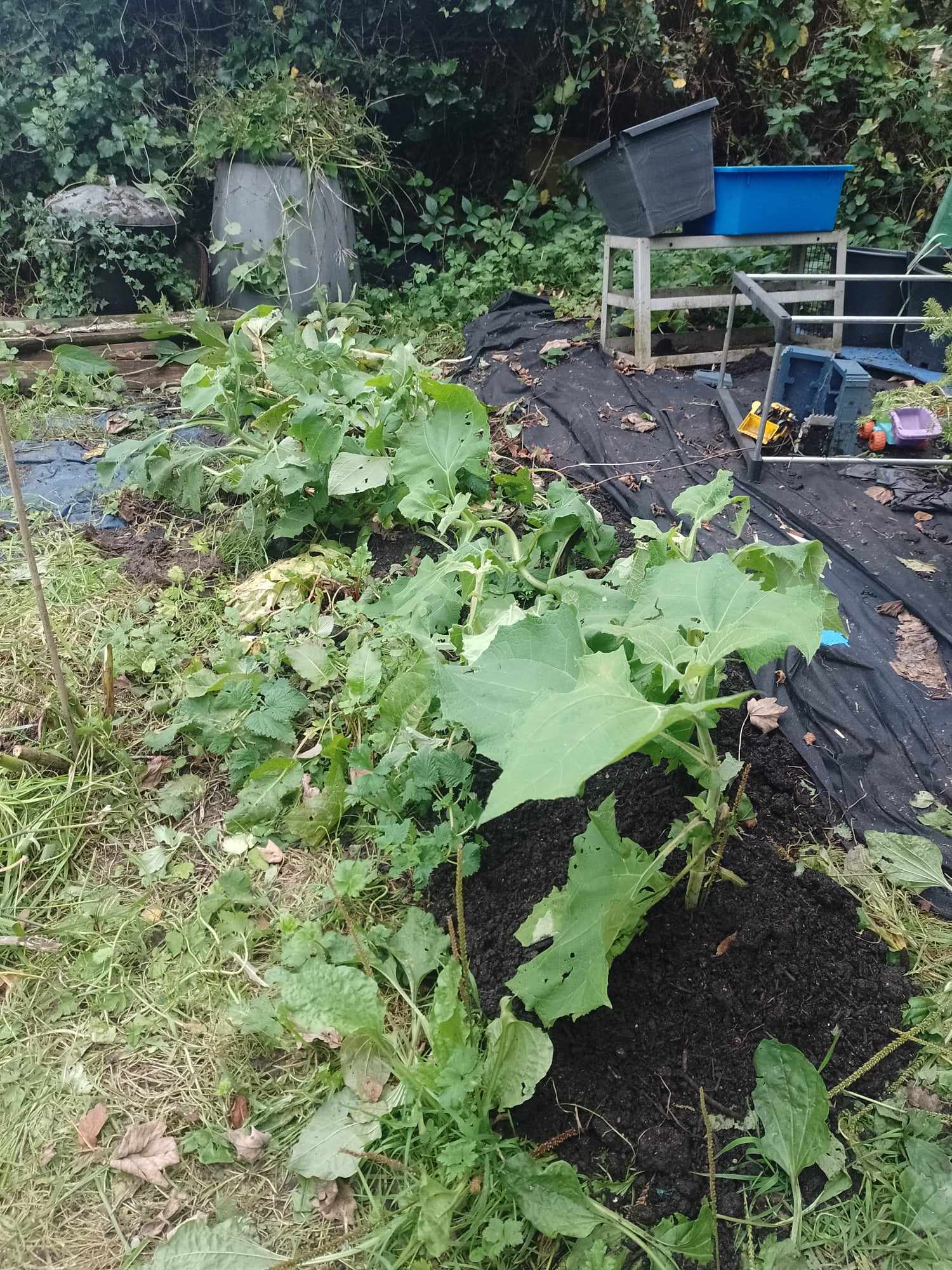
This quote is commonly attributed to American tennis player Arthur Ashe (1943-93), as a variation on a theme reworked by many, including American President Theodore Roosevelt (1858-1919) whose 1913 autobiography includes the phrase: ‘Do what you can, with what you’ve got, where you are’ (which Roosevelt himself ascribed to the far less familiar: ‘Squire Bill Widener of Widener’s Valley, Virginia’). It’s a philosophy that’s stood the test of time, and one that I’m applying in all areas of life – including my overgrown allotment, which has suffered the effects of neglect for the last couple of years, as evidenced in the brutally honest, absolutely-not-Instagram-Worthy Reality Snaps below …

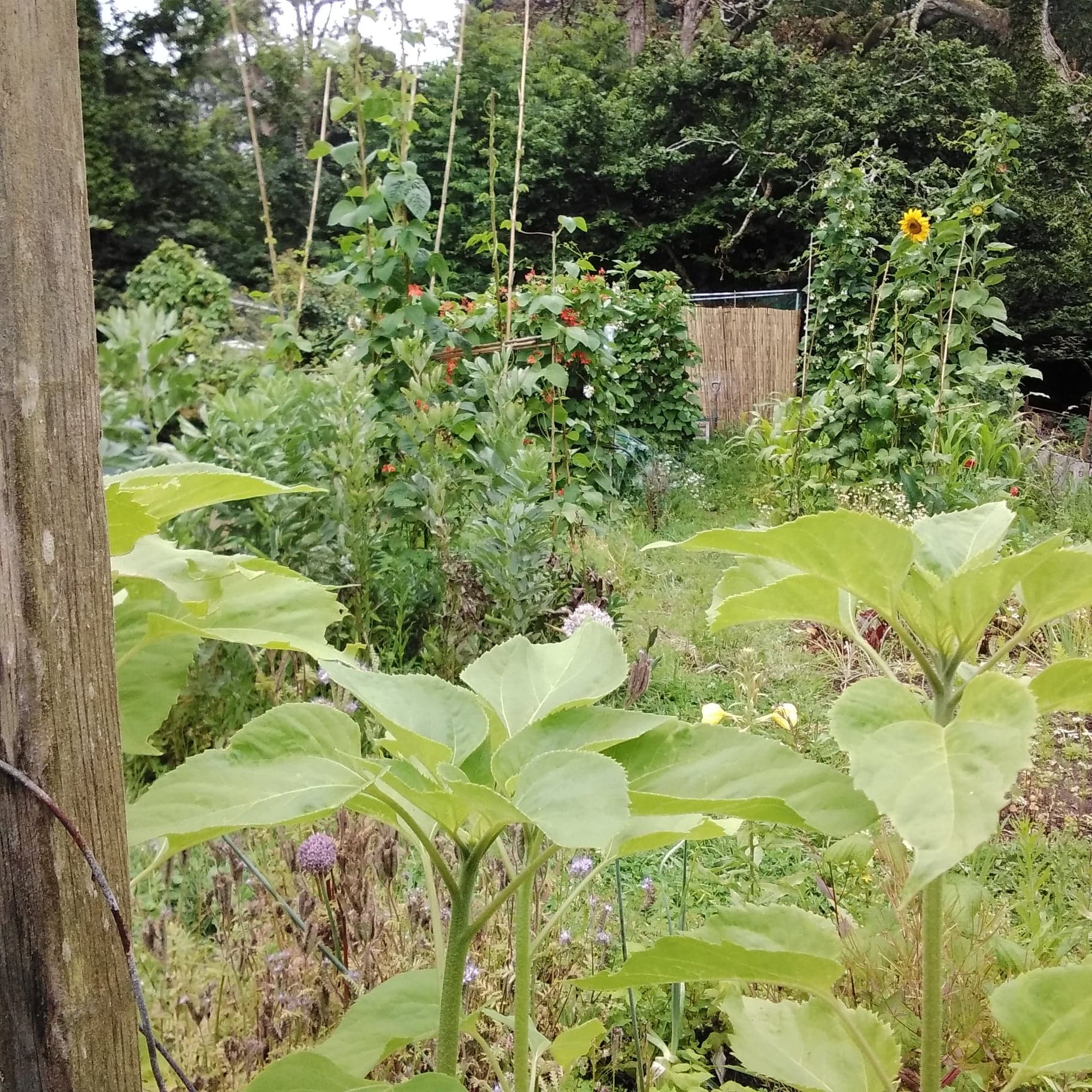
Fortunately, I have a willing workforce of friends and family pitching in to help – I really could not be doing this now without them – and it shouldn’t take us too long to re-establish some kind of order. The basic structure is already there, and while it may not be obvious to outside onlooker, there is a lot of good already going on, amid the mayhem. I have my shed (a bit rickety, needs fixing, but does the job) crammed with *stuff* (mostly useful), compost heaps, burning bins, and various water features (two baths, a child’s sand pit – all sunk into the ground). There’s a barrel BBQ (rusty but functional) and a jumble of chairs, for essential rest and re-fuelling, a stash of children’s toys (for when my grandchildren come to ‘help’), an array of tools and a whole heap of equipment (pots, pots, and more pots), all awaiting their destiny.
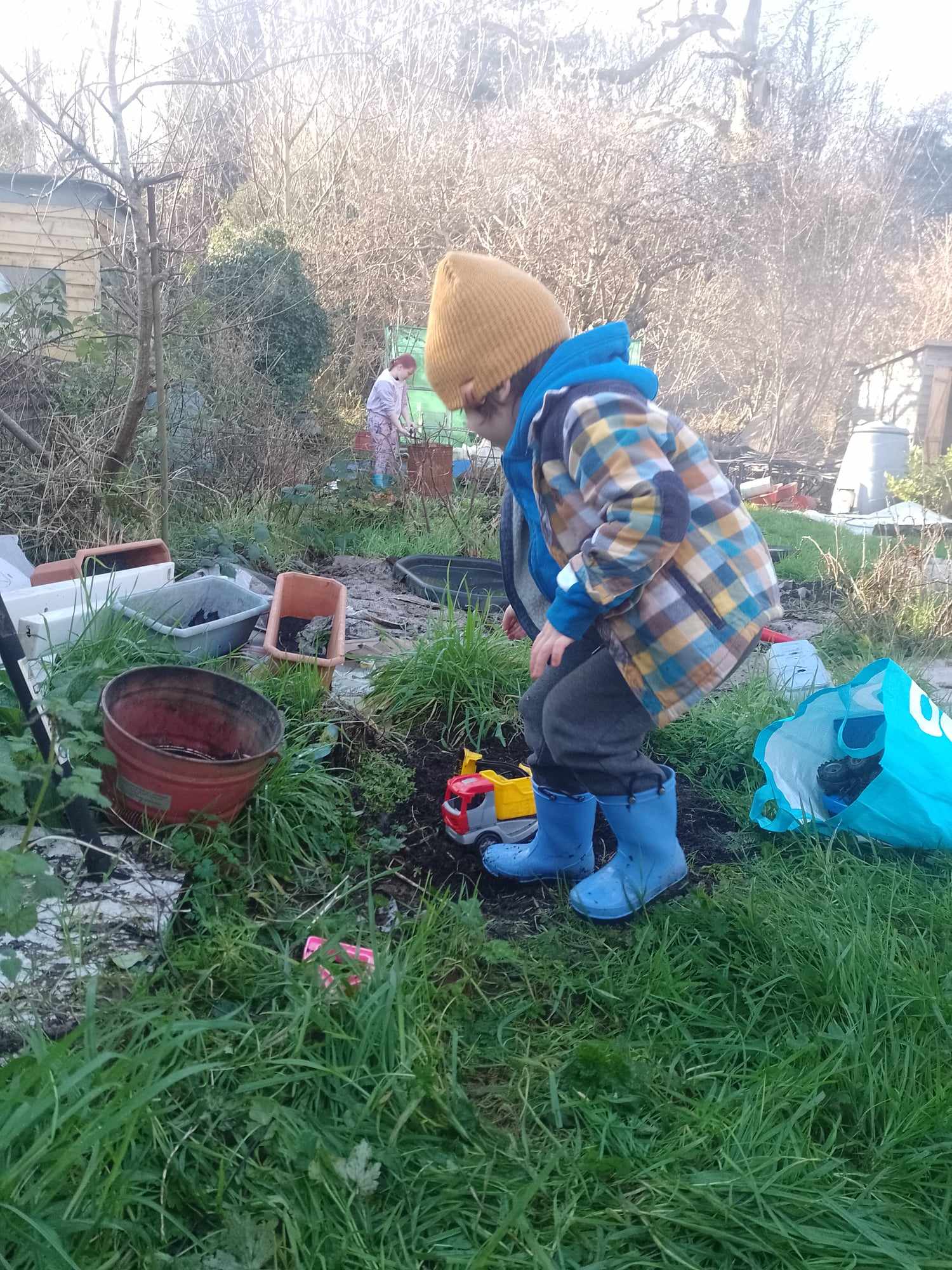
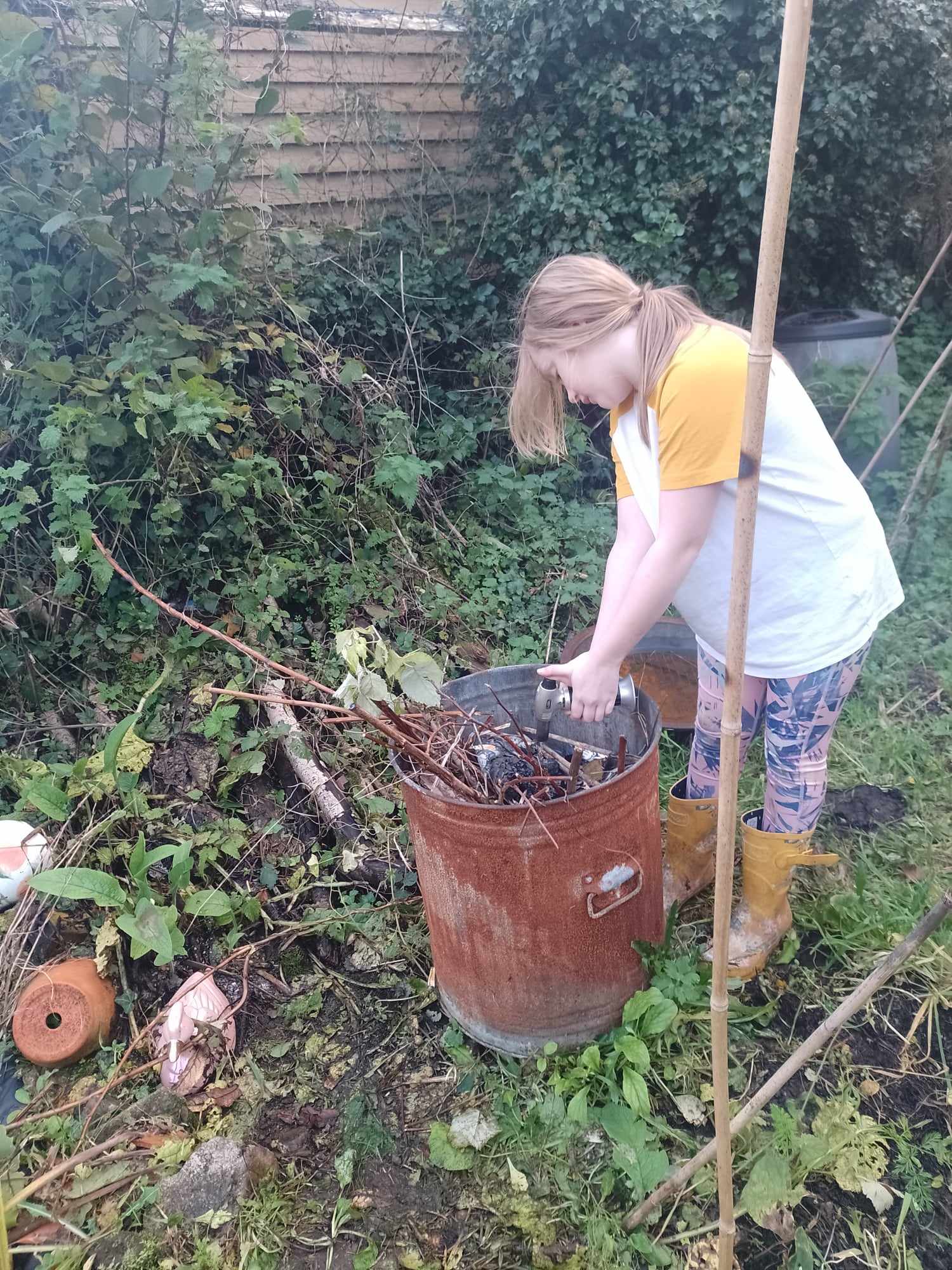
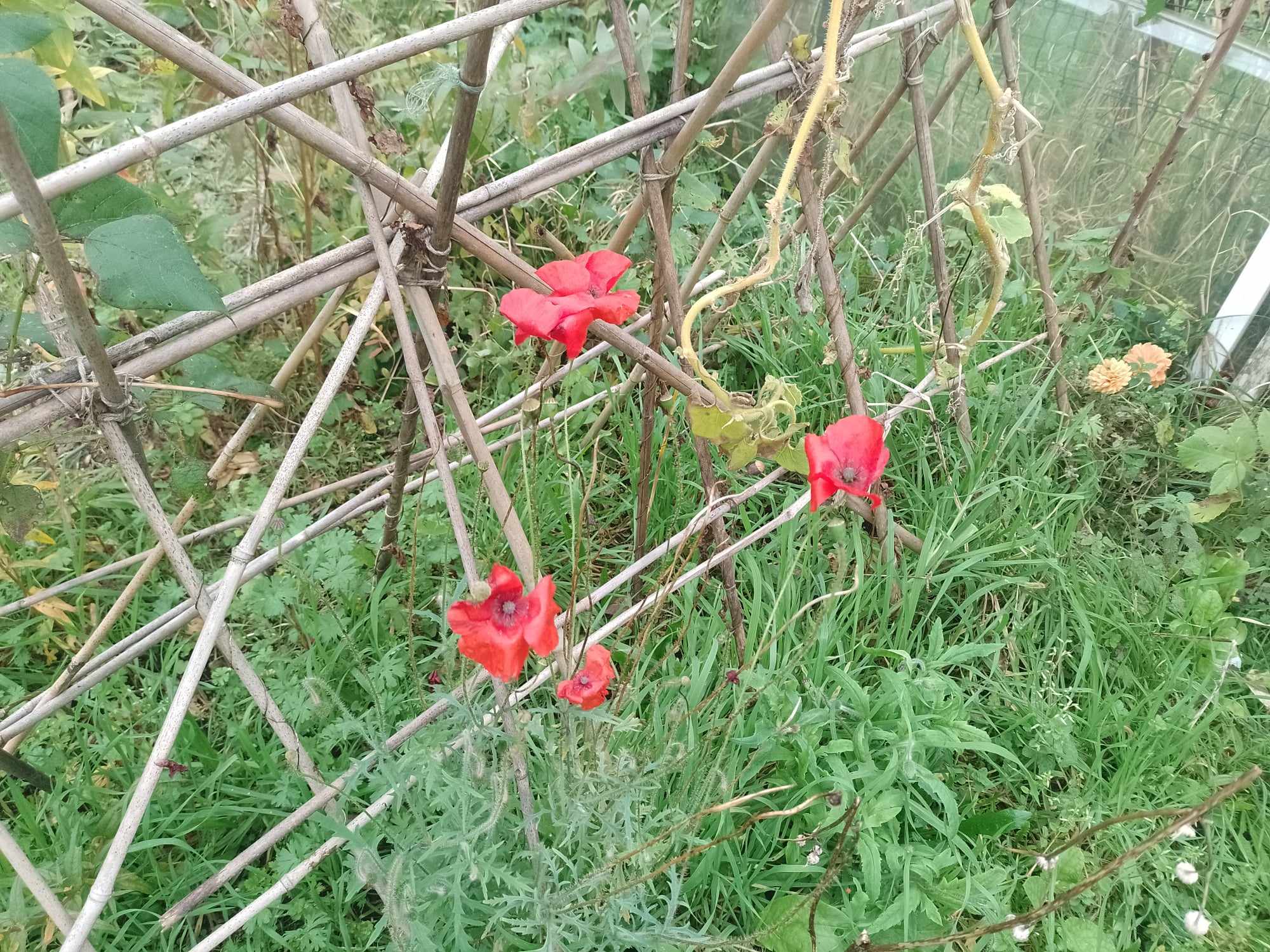
It’s certainly a marathon, not a sprint, this allotment lark. Intermittent efforts over the non-existent summer yielded a freezer-stash of Greek Gigantes butter beans, and the promise of late-autumn yacon (a sweet tuber unavailable to buy in the shops), while permanent fixtures such as the double row of currant bushes, rhubarb patch, and perennial herbs are all going strong – as are the bees – despite their unkempt surroundings. And then there are the surprises – a late-flush of red poppies, for example.
Obviously, there are many who would ask: why bother? The answer comes down to the very basic: because I want to, because I enjoy it, and because I am not dead yet. Life is for living. In whatever way makes us feel still alive. Even if it means no longer doing so much of the actual ‘doing’ yourself, but instead asking for – and accepting – help, from those willing to give it. This is the reality of life with so-called ‘invisible disability’.

The main point is that I am still here, and I have a plan: to start where I am, to use what I have, and to do what I can …

And she’s back … (Thursday 17th October 2024)

Where to begin?? A time lapse between posts is not unusual for me – several weeks, even months, can go by between updates. But here I’ve set a personal record, with a full two years (and some) since my previous update. Quite simply, there’s been a lot going on, meaning allotment, garden, bees, academics, and any wider creative pursuits have been relegated to the proverbial back-burner, as other areas of life have taken priority. Two family bereavements just six apart (Aug 2022/Feb 2023), along with two road traffic accidents (May 2022/July 2023, both rear-impact/neither my own error), plus a switch-up in grandma duties and the acquisition of a new job …

Yes, I have continued with the beekeeping. But I – and they – have struggled, because my time, energy and abilities have been so greatly reduced – plus, the appalling weather and non-existent summer have have taken their toll. Same applies to allotment and garden efforts (surviving rather than thriving) with insufficient ‘me’ available for any further creative pursuits. Mostly, I’ve focused on enjoying the people and places around me – west Cornwall is such a beautiful place to live and work, so I’ve been making the most of it with those who matter most – embracing the moment, whilst accepting my limits, living day to day, not projecting too far ahead. It is therefore an absolute joy to be able to say that I’ve recently managed to crawl (rather than jump) through the milestone hoop of passing the probationary stage of my PhD candidature (a ‘Dragon’s Den’ moment, involving a 10,000-word essay and a 15-minute presentation followed by an hour of questioning, and a two-week wait for the result) …

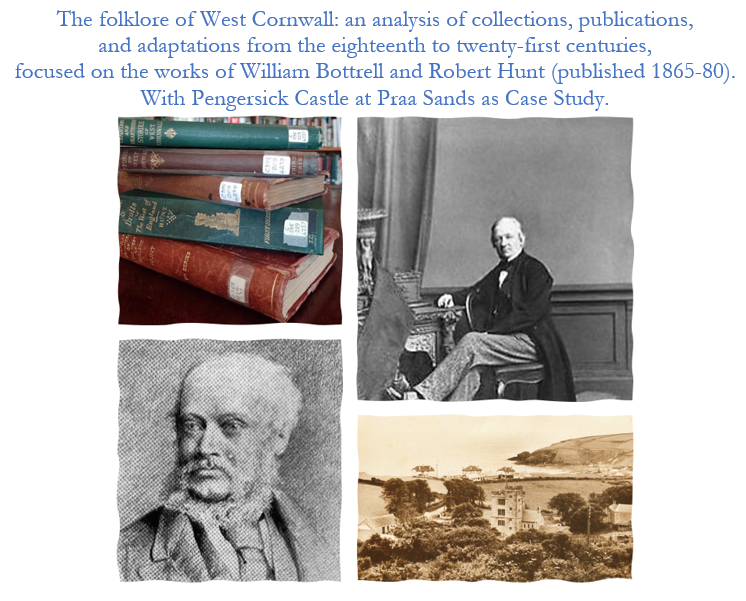
This simple statement marks the culmination of 3 years’ stop-start persistence (Oct 2021-Sept 2024) and a pivotal point that I’d begun to doubt I’d ever actually arrive at. Doctoral research is vastly different from the usual ‘taught’ academic format. Rather than follow a set curriculum dictated by others, PhD research means deciding on your own subject, setting your own research aims and designing your own ‘syllabus’, managing your own workload and taking responsibility for your own progress through a process that you yourself have designed. This last three years have been a journey of discovery, not only about my chosen subject but about myself – charting progress along the way, from initial application to full research proposal, ethics approval, and – finally! – this ‘probationary’ pause-point to evaluate, not only my own academic potential but the value of my chosen subject: in essence, is the subject worthy of continued research, and do I have what it takes to complete a PhD?!

Fortunately, the answer for me has turned out to be a resounding ‘yes’.

What a relief.

This, however, is merely the start – for now the ‘real’ work begins! Inevitably, my plans have moved on from my initial aims & ideas – as would be expected, three years on. I’ll be blogging about it here, and returning also to my musings on allotment and garden growing, bees, health, and life in general. I’ll also be launching a Patreon page, sharing my research as it unfolds, along with news of offshoot projects (hint: there will be books) and expanding this blogsite to include a ‘shop’ section. Watch this space for further news …