
This quote is commonly attributed to American tennis player Arthur Ashe (1943-93), as a variation on a theme reworked by many, including American President Theodore Roosevelt (1858-1919) whose 1913 autobiography includes the phrase: ‘Do what you can, with what you’ve got, where you are’ (which Roosevelt himself ascribed to the far less familiar: ‘Squire Bill Widener of Widener’s Valley, Virginia’). It’s a philosophy that’s stood the test of time, and one that I’m applying in all areas of life – including my overgrown allotment, which has suffered the effects of neglect for the last couple of years, as evidenced in the brutally honest, absolutely-not-Instagram-Worthy Reality Snaps below …

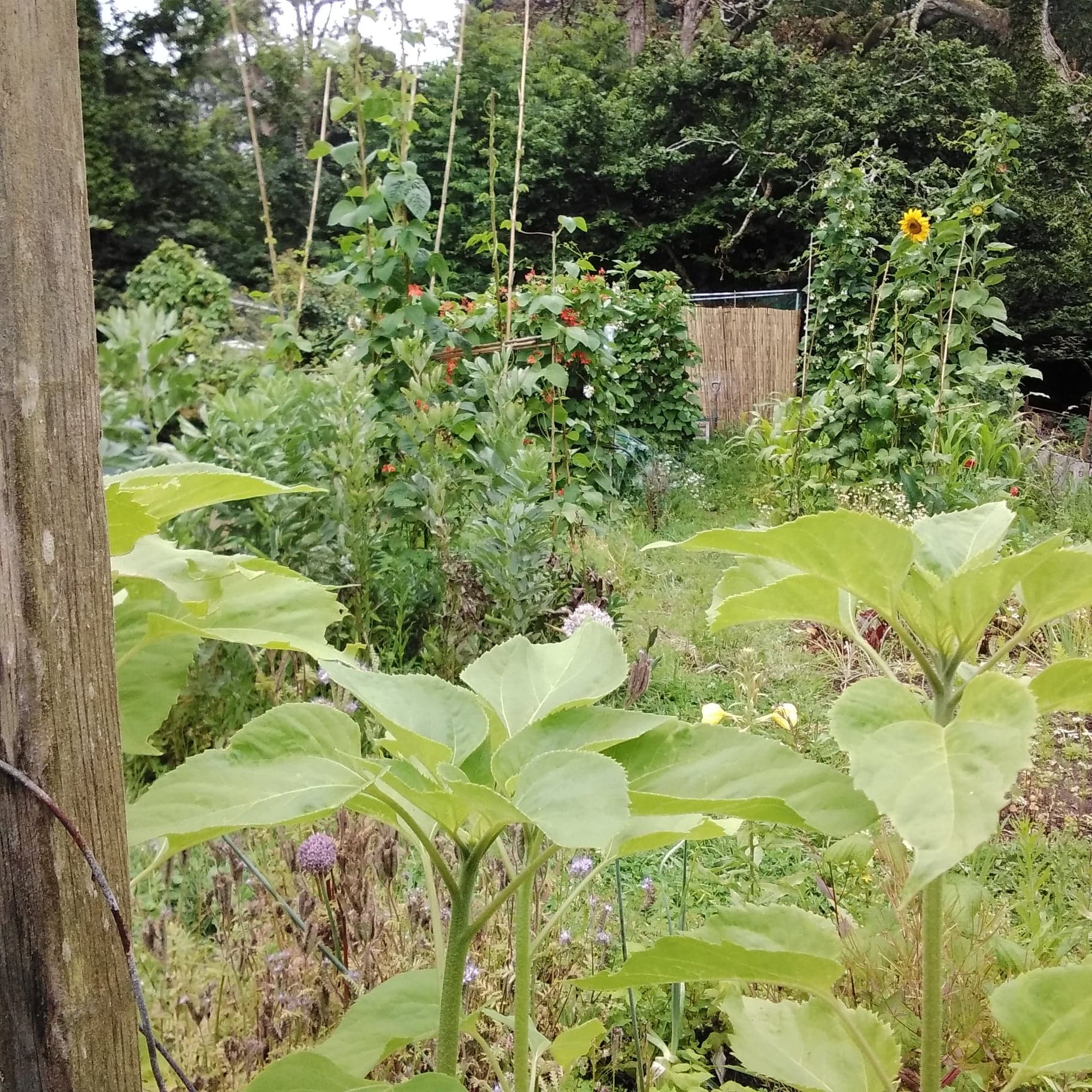
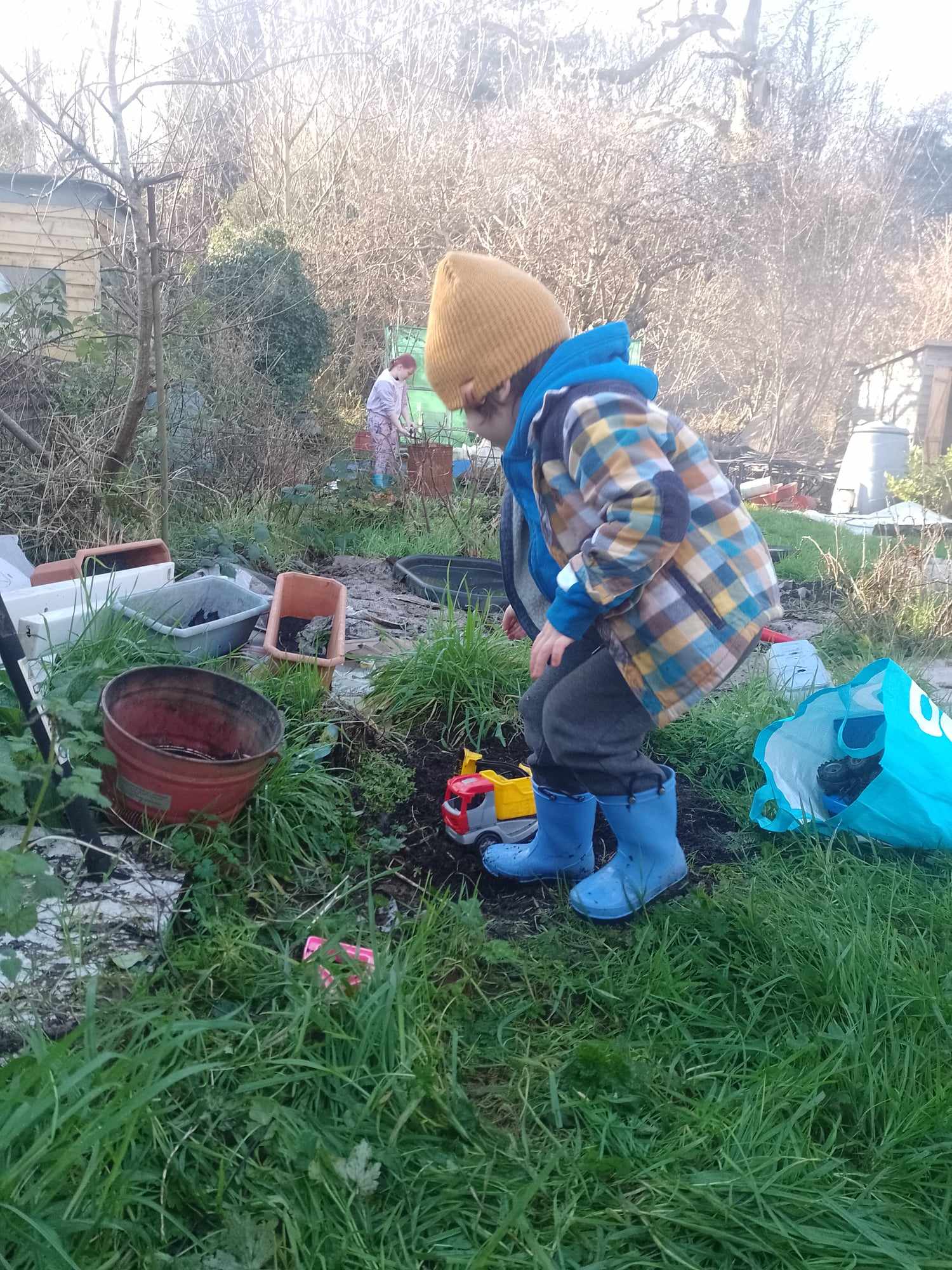
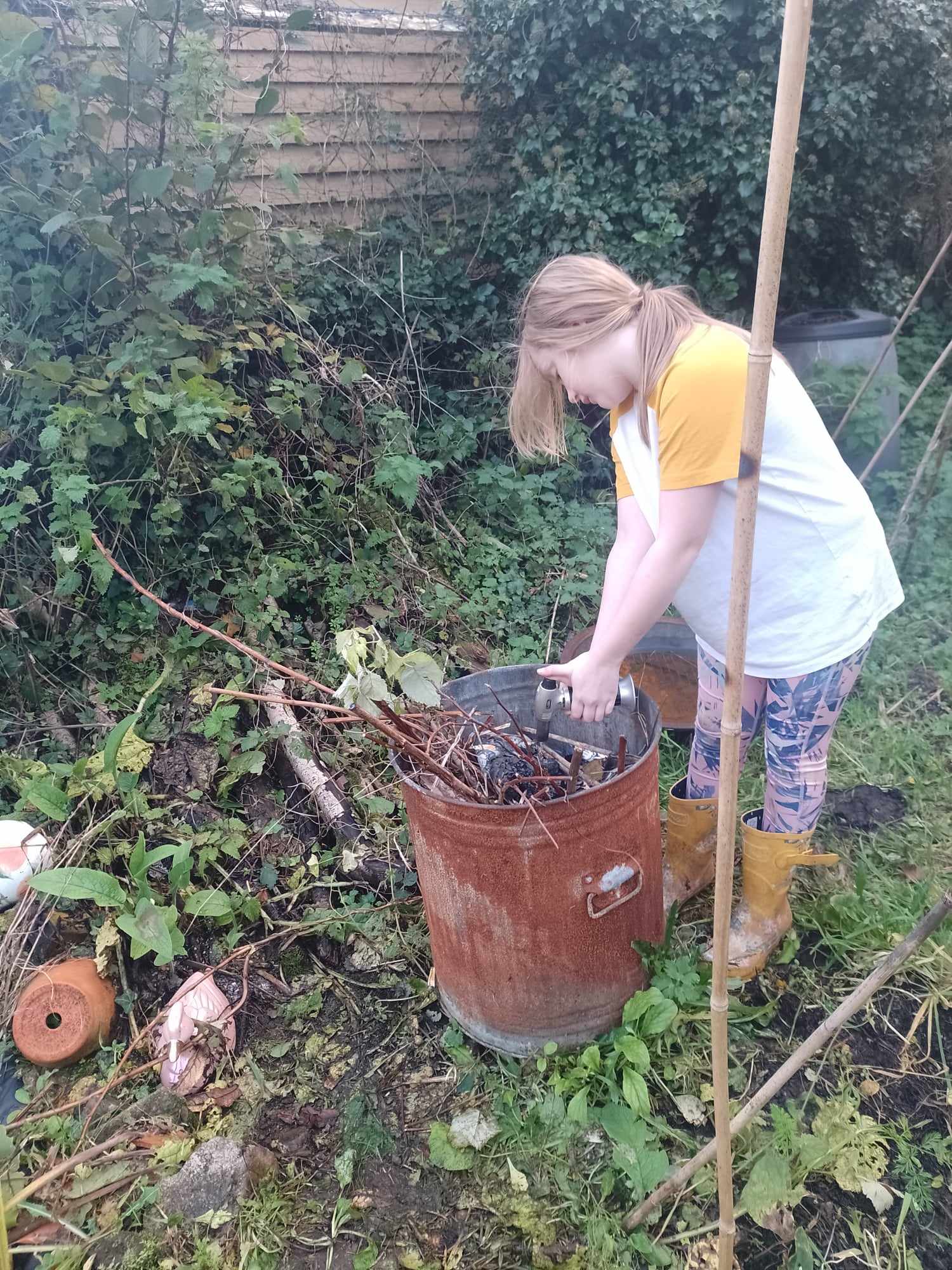
Fortunately, I have a willing workforce of friends and family pitching in to help – I really could not be doing this now without them – and it shouldn’t take us too long to re-establish some kind of order. The basic structure is already there, and while it may not be obvious to outside onlooker, there is a lot of good already going on, amid the mayhem. I have my shed (a bit rickety, needs fixing, but does the job) crammed with *stuff* (mostly useful), compost heaps, burning bins, and various water features (two baths, a child’s sand pit – all sunk into the ground). There’s a barrel BBQ (rusty but functional) and a jumble of chairs, for essential rest and re-fuelling, a stash of children’s toys (for when my grandchildren come to ‘help’), an array of tools and a whole heap of equipment (pots, pots, and more pots), all awaiting their destiny.

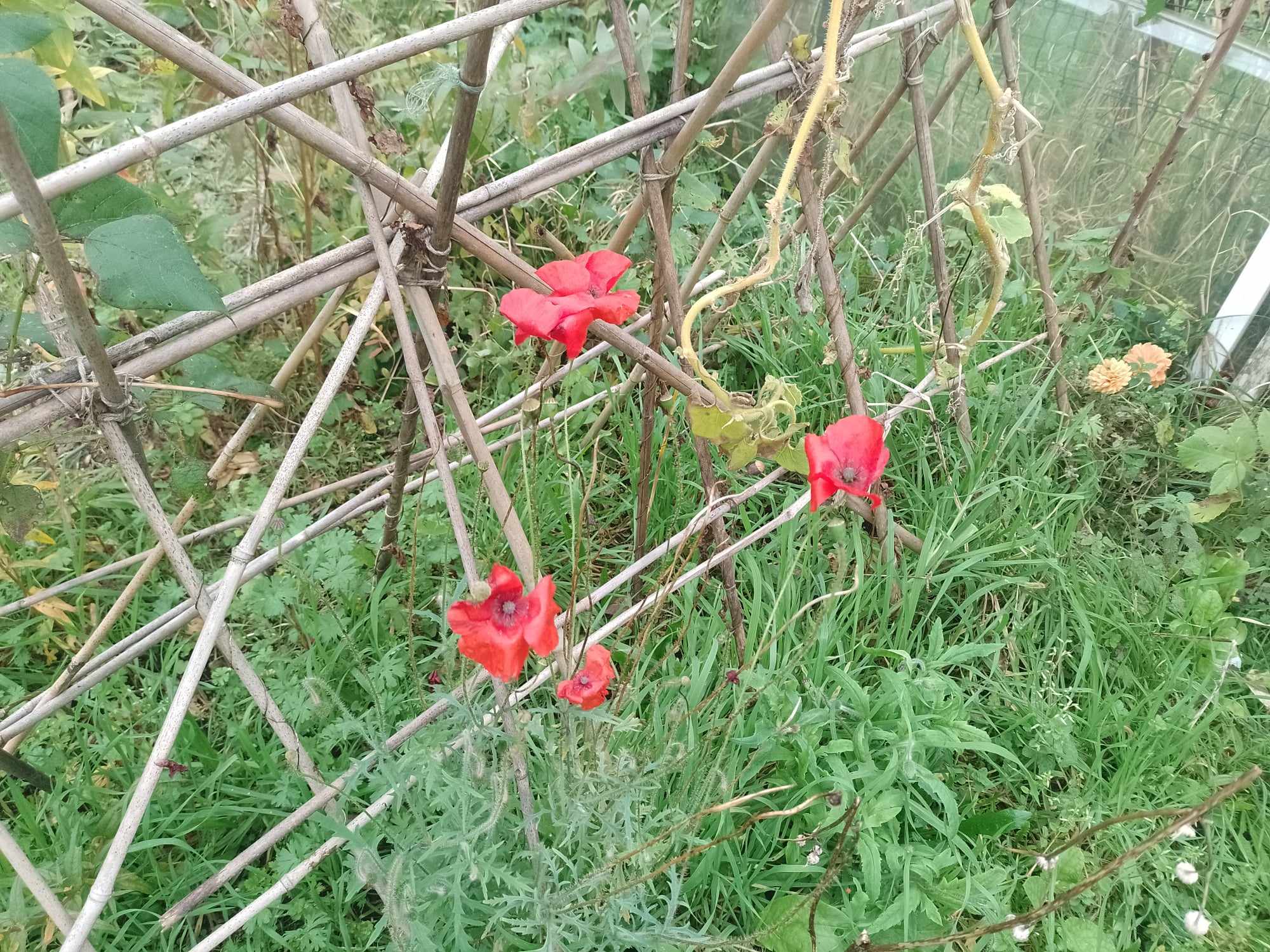
It’s certainly a marathon, not a sprint, this allotment lark. Intermittent efforts over the non-existent summer yielded a freezer-stash of Greek Gigantes butter beans, and the promise of late-autumn yacon (a sweet tuber unavailable to buy in the shops), while permanent fixtures such as the double row of currant bushes, rhubarb patch, and perennial herbs are all going strong – as are the bees – despite their unkempt surroundings. And then there are the surprises – a late-flush of red poppies, for example.
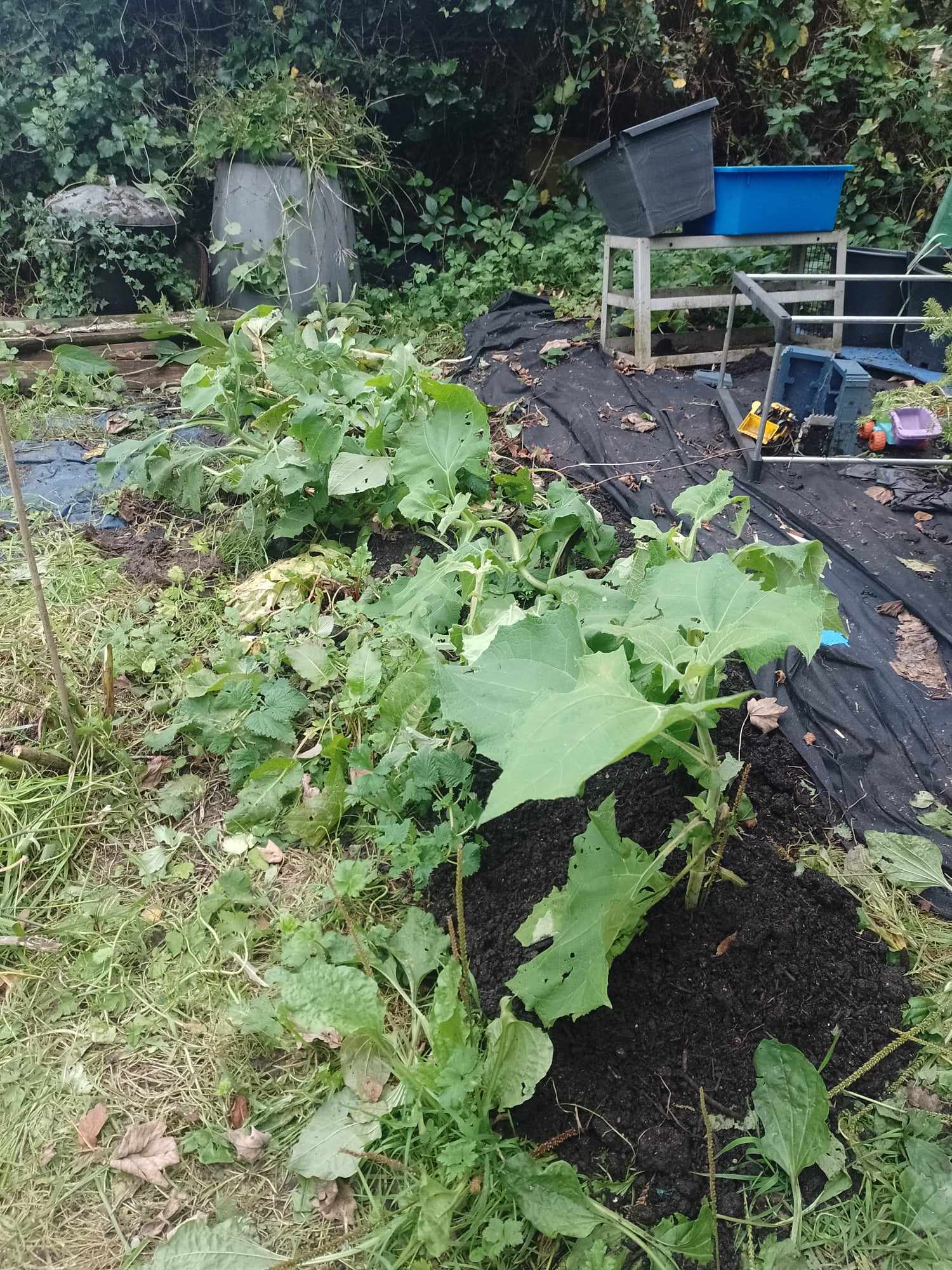


Obviously, there are many who would ask: why bother? The answer comes down to the very basic: because I want to, because I enjoy it, and because I am not dead yet. Life is for living. In whatever way makes us feel still alive. Even if it means no longer doing so much of the actual ‘doing’ yourself, but instead asking for – and accepting – help, from those willing to give it. This is the reality of life with so-called ‘invisible disability’.
The main point is that I am still here, and I have a plan: to start where I am, to use what I have, and to do what I can …

 SomewhereinwestCornwall