A different slant on the blogpost this time, with the first of many musings on the landscape, history and folklore of West Cornwall.

Carn Euny Ancient Village is one of several historic sites managed by Cornwall Heritage Trust. Like so many places in west Cornwall, the name originates with a historic person remembered as a Celtic Christian saint – in this case, the 6th century Irish St. Euny, brother of St Ia, patron saint of St. Ives. The site’s history, however, goes back much further, with evidence of human activity stretching back to the Neolithic era. The surviving settlement is typically Iron Age / Romano-British, and today comprises the remains of nine stone-built roundhouses of a type found only in west Cornwall, with rooms, workshops and stables set around a central courtyard, complete with cobbled street and sweeping views across the fields out to sea. Occupied circa 500 BC – AD 400, Carn Euny was abandoned for unknown reasons to remain uninhabited for 1000 years: post-medieval remains include pigsties and garden plots, and the ruins of a cottage built c1750. Nearby is an ancient well fed by a natural spring, and besides these the ruins of a small chapel, dedicated to St. Euny.

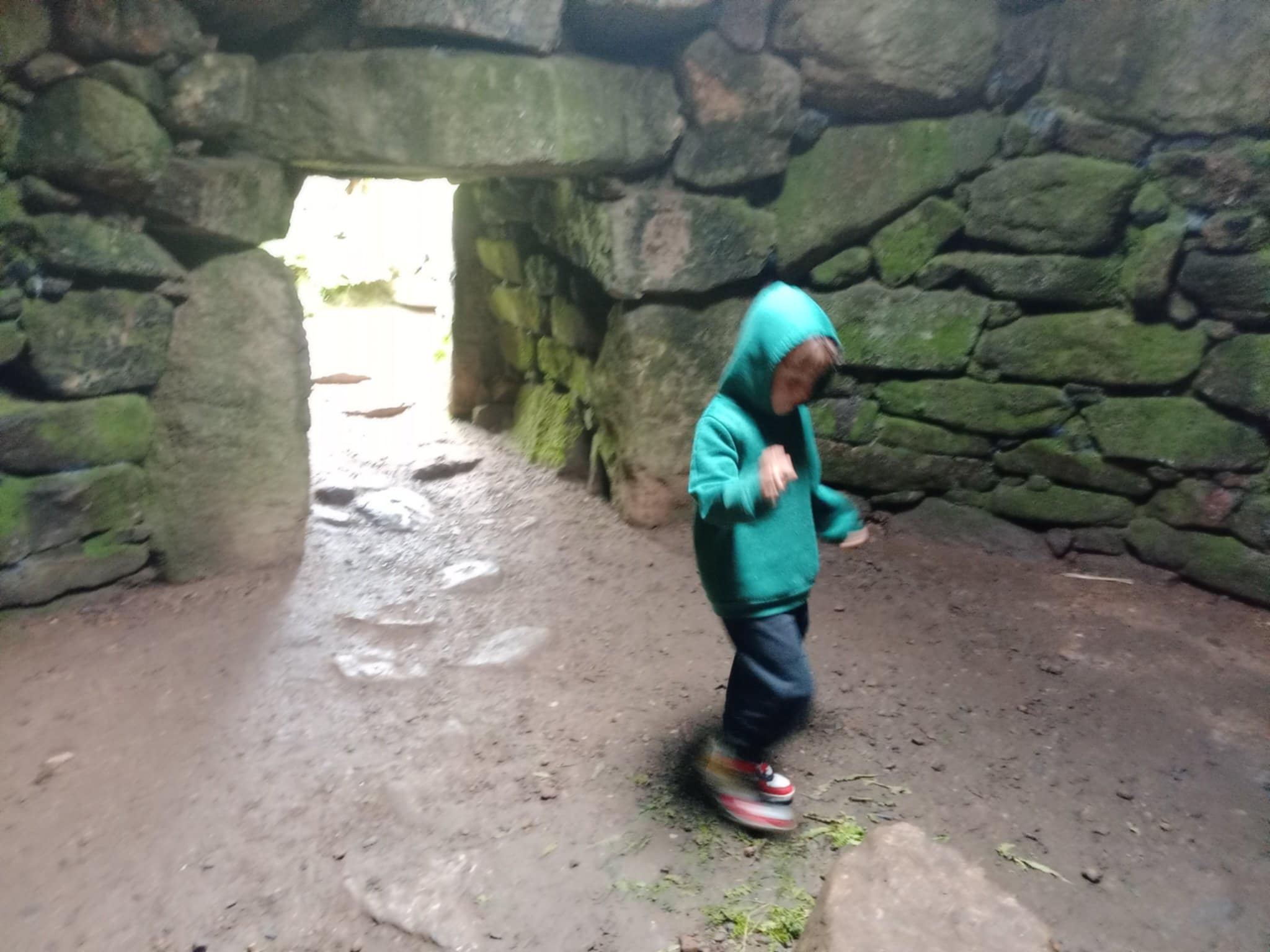
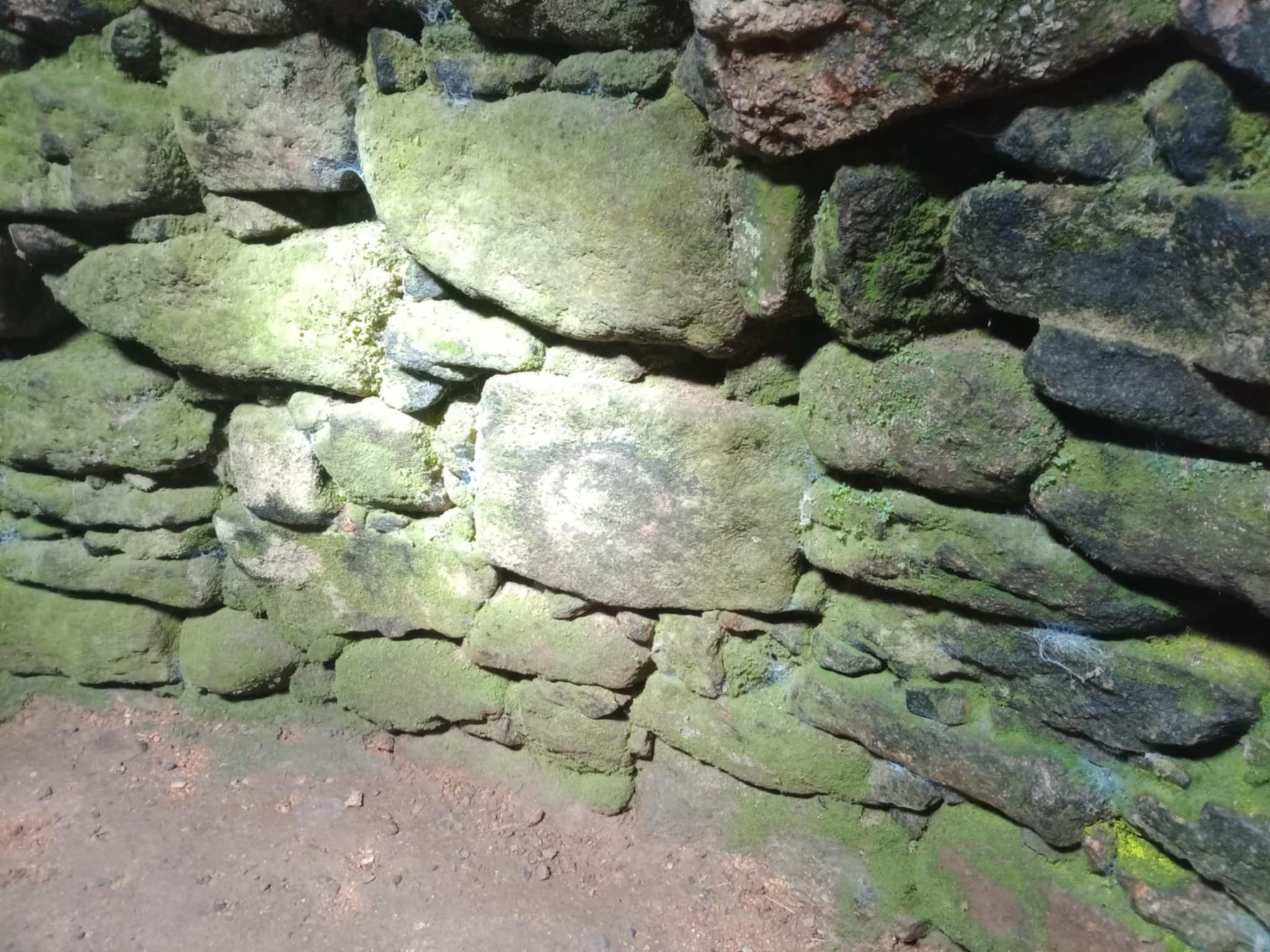
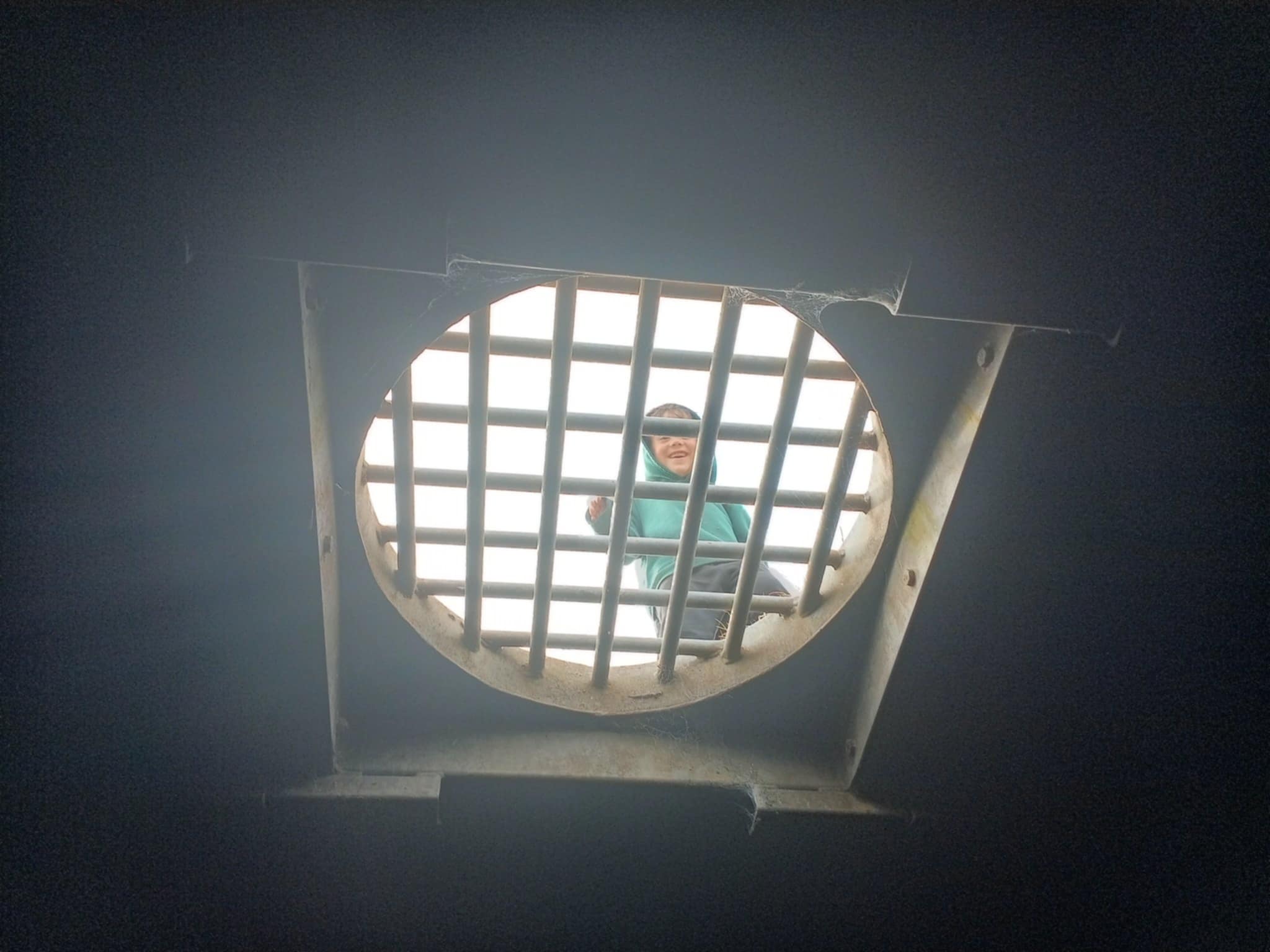
Central to the site is a stone-lined underground passage known as a fogou (Cornish meaning ‘cave’) and enigmatic circular chamber. Such structures are unique to west Cornwall, and their exact purpose is unknown, with theories ranging from defense and storage to mysterious ‘ritual use’. Nearby field boundaries suggest that the people who lived here farmed the surrounding land, growing oats, barley and rye and keeping animals such as sheep, goats and cattle. They were perhaps active as traders, and likely played their part in Cornwall’s early tin industry. There is much to explore here.


I first visited Carn Euny back in 2001, and recall little of it other than the slightly surreal experience of venturing into the tunnel and fogou on a mizzley autumn afternoon, grey clouds in the sky, lichens glowing on the walls, and the ghosts of those ancient farmers-turned-tin-miners, long gone but ever-present. More than two decades later I returned, in May 2023, now with grandchildren Emi (then 10) and Alfie (nearly 4). This time, the sun shone in a clear blue sky and the wildflowers waved in a gentle breeze, as we pondered the big questions of Iron Age human life: What clothes and shoes did they wear? What jobs did they do? What furniture did they have? Where did they sleep? Did they bathe or shower?? What language did they speak? What did they eat and drink? And – of course – what was the purpose of that fogou and chamber?

The answer, we decided, was purely practical: food preservation and storage. In particular, animal proteins such as meat and dairy products. It just seemed obvious to us that, like the natural caves of Cheddar Gorge in Somerset, the Cornish fogou – a deliberately constructed artificial cave – likely served a similar purpose, being ideally suited to the creation and preservation of overwinter supplies – especially cheese. For my twenty-first century small humans, this revelation sparked an impromptu reenactment of imagined Iron Age village life, consisting mainly of chasing each other around shouting: ‘You stole my cheese!’ A friend visited a week or so later with similar-age children whose thoughts also turned to food but with a more modern slant: utilising the ruined chapel’s square window frame for a game of ‘MacDonald’s Drive-Thru’ …
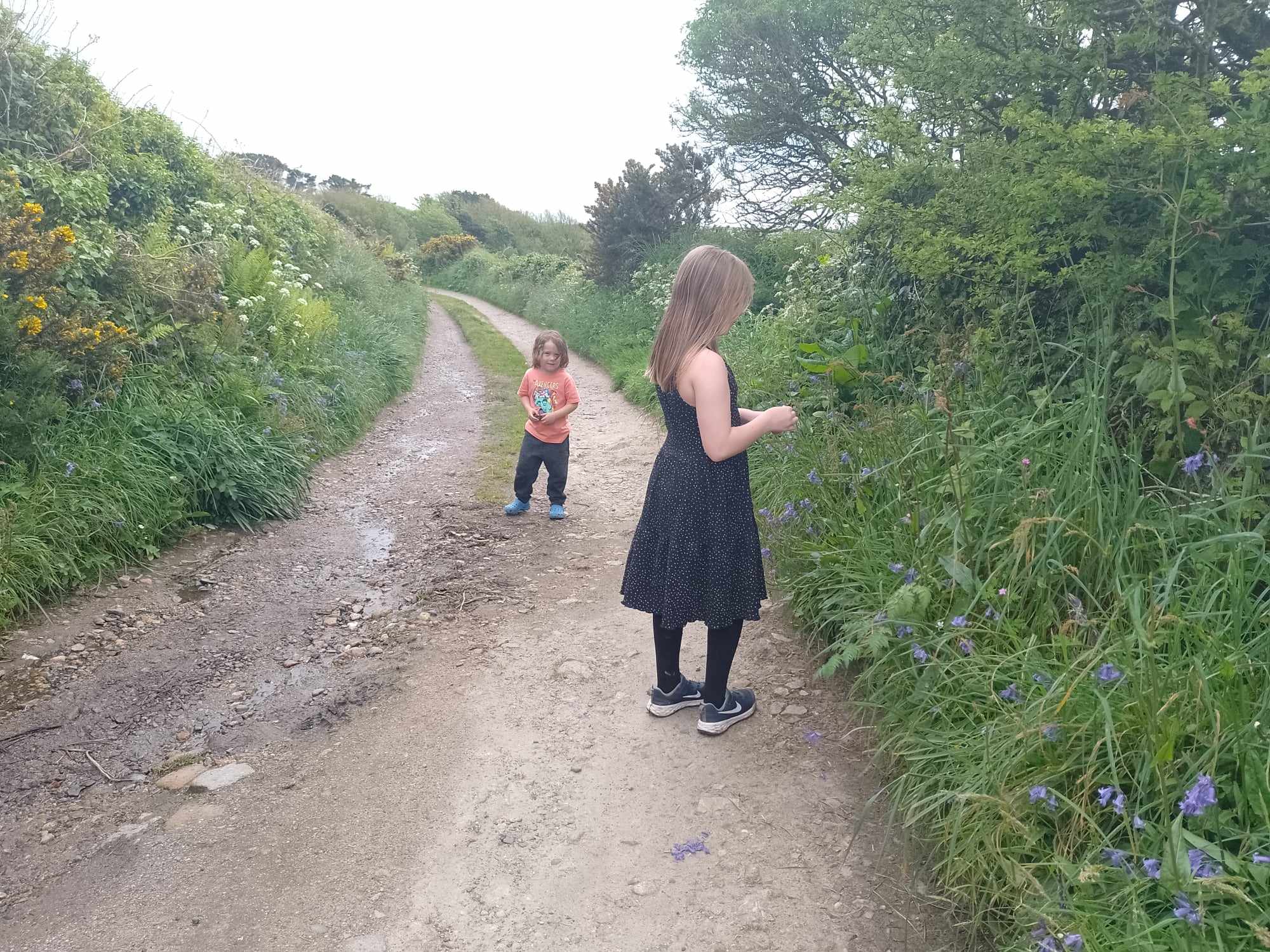
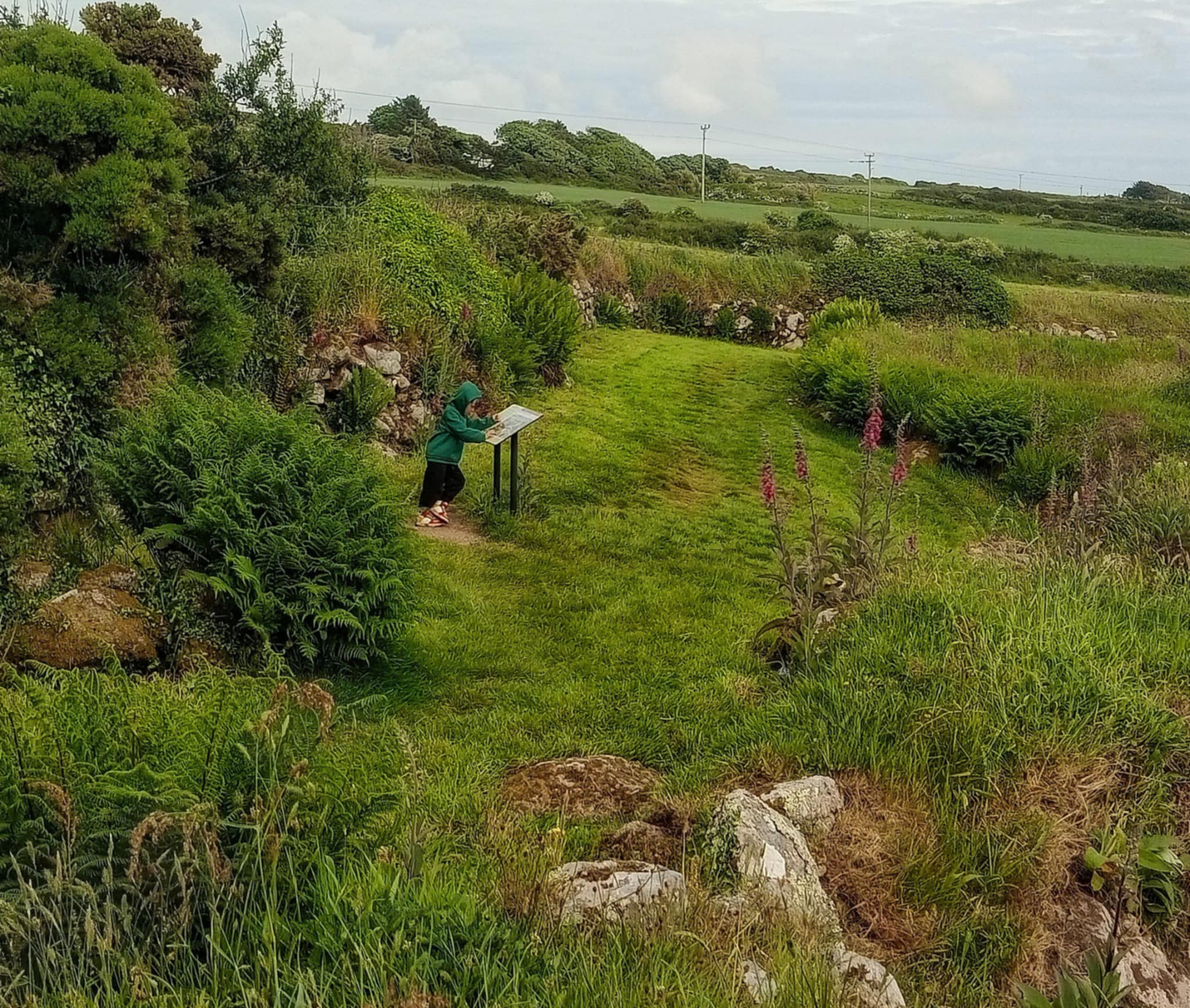
Recently, we returned to Carn Euny, almost two years exactly since that previous visit. Two years is a long time for a young child, and Alf (fast approaching 6) could not remember the previous venture, but listened intrigued to Grandma’s description of the strange cave and spooky tunnel, the long-ago people who lived there, and big sister Emi’s recall of the ‘You stole my cheese’ game, which he misheard as ‘Who stole my cheese’ and took to be the actual name of the place. Thus, we enjoyed another afternoon exploring the Iron Age Village that will now forever be known to us, not as Carn Euny, but as ‘Who Stole My Cheese’.


 SomewhereinwestCornwall