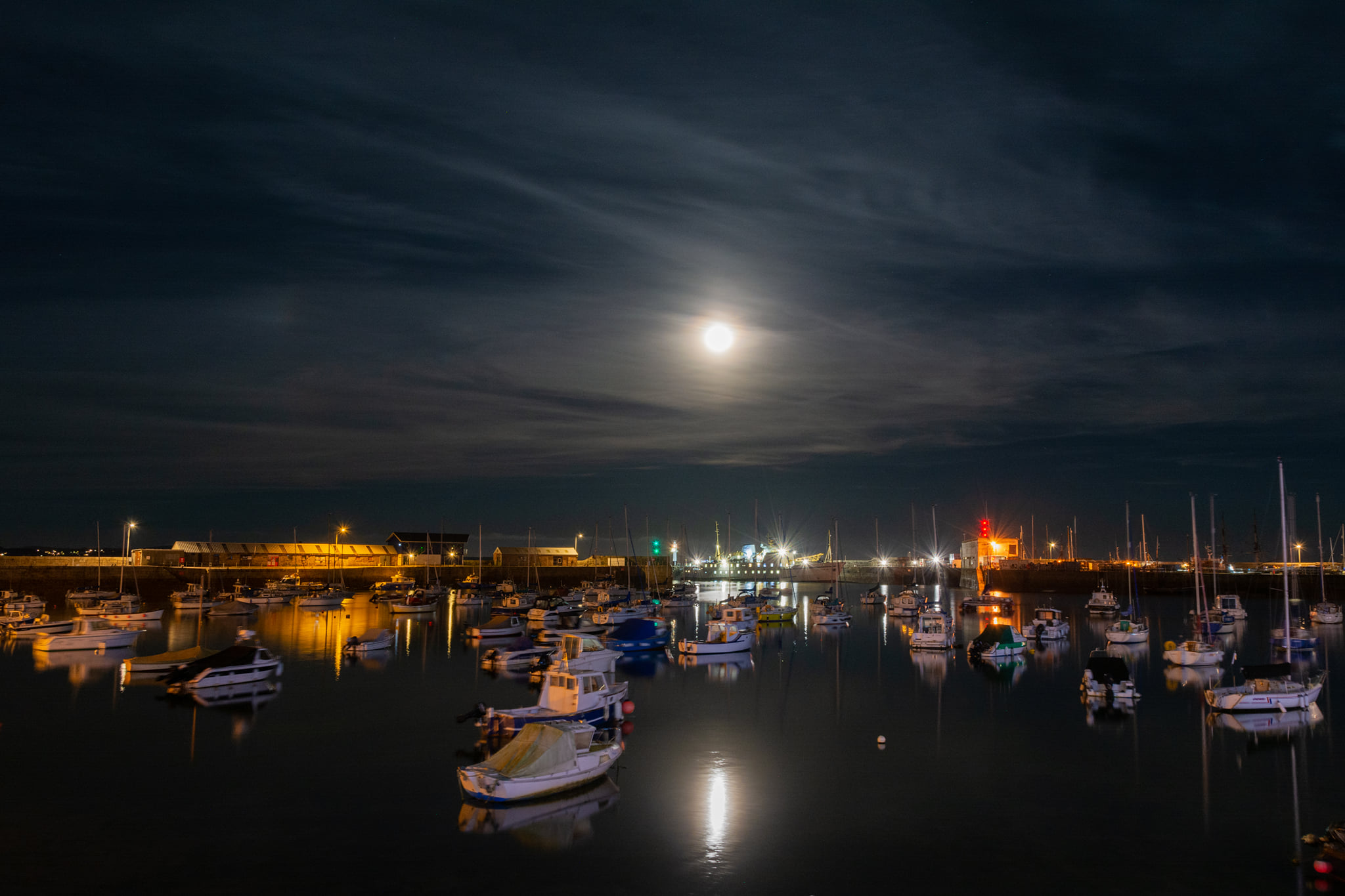
Barley moon, Corn moon, Fruit moon … call it what you will … is the final full moon before the Autumn equinox, and a marker point for farming cultures throughout human history, calling time on crop harvests before the weather takes a seasonal turn. Hence the name. A full moon hanging heavy and bright in the night sky, is always a sight worth seeing, and living on the far-southwest Cornish coast we get to enjoy a really clear view of this natural phenomena, enhanced by the relative absence of overbearing electric street lights and surrounding expanse of sea, lending a mystical feel to the whole experience. I really enjoy summer – I function best, both physically and mentally, in warmth and light rather than cold and dark – so for me this time of year has a tinge of sadness, because I know that winter is on its way, necessitating a shift in to hibernation mode. I do however value the ‘pause and reflect’ effect of this seasonal downshift, looking back on the last few months and making plans for what’s to come next.
Which for me of course means bees, plants, and words.
This season for me has not been a good one, for bees. There, I’ve said it. Nothing instagram-worthy about that declaration, eh?! (I did a business start-up course years ago, and the tutor would repeatedly tell us: ‘Make out that you’re a great success, even if you’re not’. Pretending to be something I’m not has never come naturally or comfortably to me, so obviously I struggled with this – supposedly basic – aspect of self-promotion, being unable to con myself – never mind others into *believing*. Good thing I never went into advertising eh?!). Nor has it been a particularly prolific period on the allotment, the obvious point being that I’ve spent so little time or effort there, having insufficient energy and inclination to do so. It has, however, been a good few months on the academic and creative side of things. Proving the point, that it it is true what ‘they’ say: that you cannot have it all (and perhaps should not try).
But back to the bees …
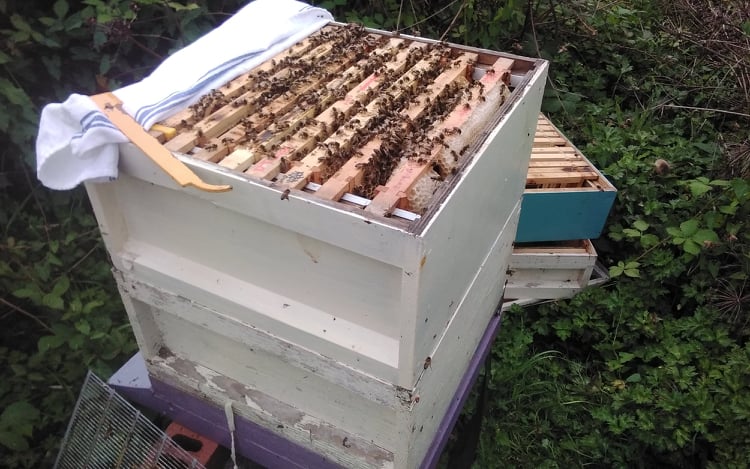
From what I’ve seen on social media chat and also in the news, it’s not been just me. Beekeepers everywhere have had a difficult year this year. Beekeepers in France have been so hard-hit they’ve had to request financial help from their government, with honey harvest in some areas dropped to below half the usual amount. On Facebook I’ve seen others such as myself, starting the season well but by early summer realising that something is very wrong.
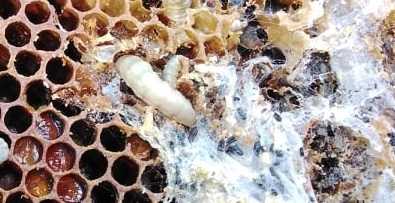
I ended last year with six colonies, all separately hived, all doing well; out of these, five came through winter successfully, and I looked forward to what I thought was going to be a great year for honey. And then … The cold wet spring meant insufficient food-forage at that crucial time, and from there they not only didn’t pick up but floundered. Unusually, I’ve had to continue supplementary sugar feed right through summer, and still they’ve struggled. Add to this enthusiastic robbing by wasps, an infestation of wax moths, and the end result is just two out of those five colonies survived. Ironically, this is the two that I moved from one location to another back in June, downsizing from three apiary sites to two. Transporting beehives from one place to the next is a risky business, in this case resulting on one of these two hives becoming queenless, so that I then took the further decision to combine the two into one. Astonishingly, it’s these that have now survived. Leaving me with just this one, supersize (double brood box) hive to pin my hopes on, for overwinter. Fingers crossed they will get through, and in spring I can start again – raising new colony splits from this one hive, to continue forward.

On a positive note, this has given me lots of new beeswax (to be transformed into candles). Far less bee worries over the next few months. And more head space for everything else … which right now mainly means writing. I am currently awaiting confirmation of a place as a PhD research student, building forward on the MA which I completed earlier this year. It is very exciting but also quite daunting. PhD or not, I’ll be taking these ideas forward in the creation of a series of books, which I am now working on (Watch. This. Space) ….









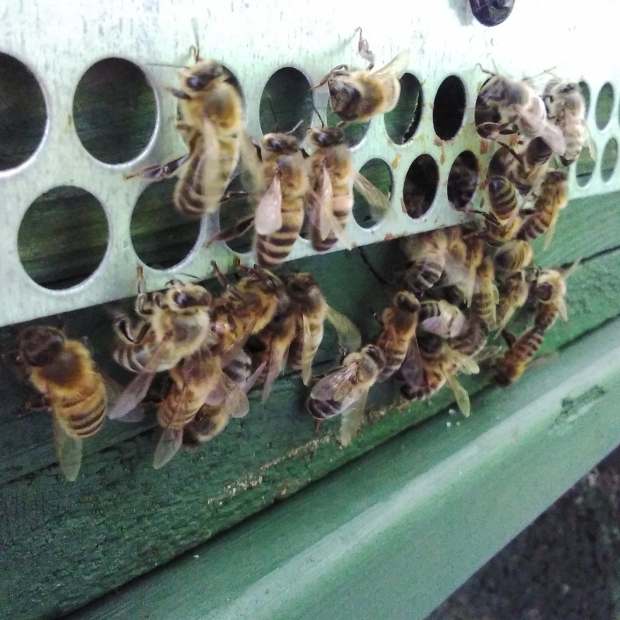






 Where does the time go, eh? Five months since my previous blog-post; such a lot has happened. Time to reflect, while pondering a forwards plan. Two years since deciding to return to beekeeping (after a lapse of nearly two decades) and little more than a year since I began with my first single hive of bees, I feel I can now call myself a ‘real’ beekeeper, having ticked off a number of fundamentals on the apiarist’s learning curve:
 Lost the first colony (alive and well in February; suddenly dead in March) most probably due to my own error. Consoled myself with the remaining two colonies, planning ahead for all that lovely honey to come … only to have both of these teeter towards failure in May/June, as Colony No2 turned out to be overly swarmy and Colony No3 fell victim to the site-owner’s penchant for weedkiller; double whammy. Fortunately, I had by this point (back in April/May) got all adventurous, putting into action all that I’d read about raising new colonies as ‘splits’ (one each from my two then-still prolific surviving colonies). Result: two offshoot colonies, both going strong. Thus I was able to save the two failing colonies; taking a frame of eggs from one of these ‘splits’, I combined the two failing hives together, adding in that frame of eggs, from which I hoped the bees would raise themselves a new queen. Result: two weak queenless colonies transformed into one, complete with new, healthy and productive queen, all (by July) doing well in their new shared home at my original Sennen site.
 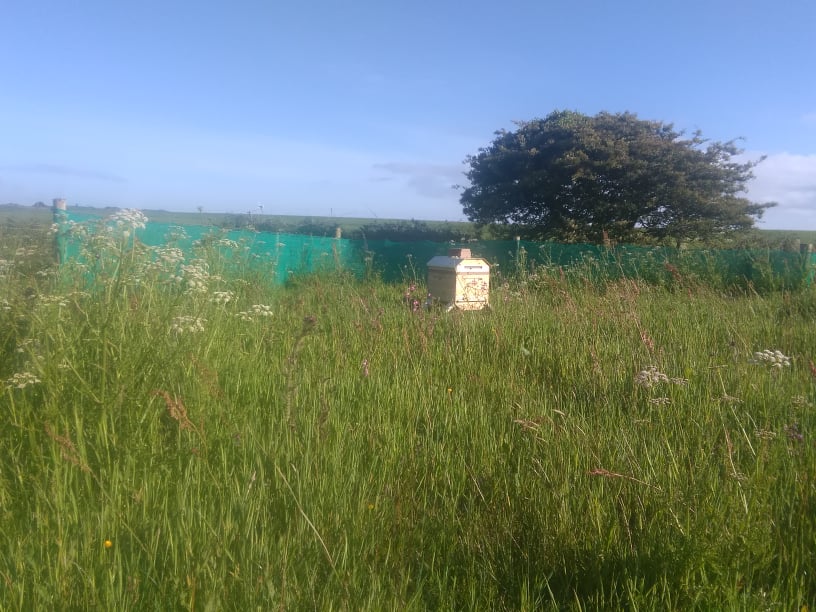 Meanwhile, a new opportunity presented; a quiet corner of a
  Joining me on the learning curve, my granddaughter continues to enjoy visits to the bees; donning her miniature beesuit (the smallest size available) and gloves, she is confident and knowledgeable, and always happy to end a hand.
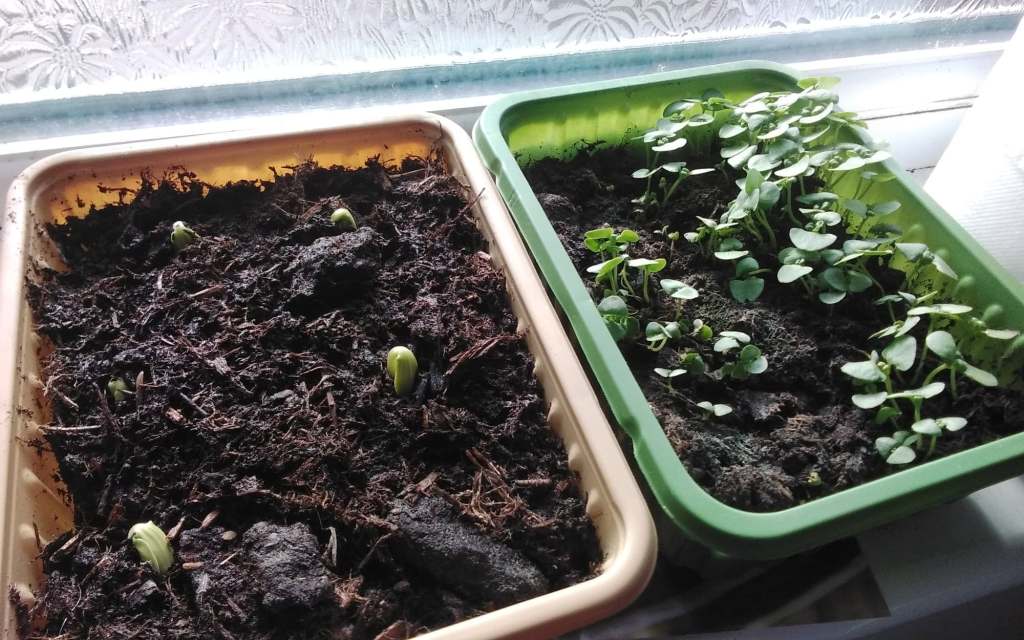
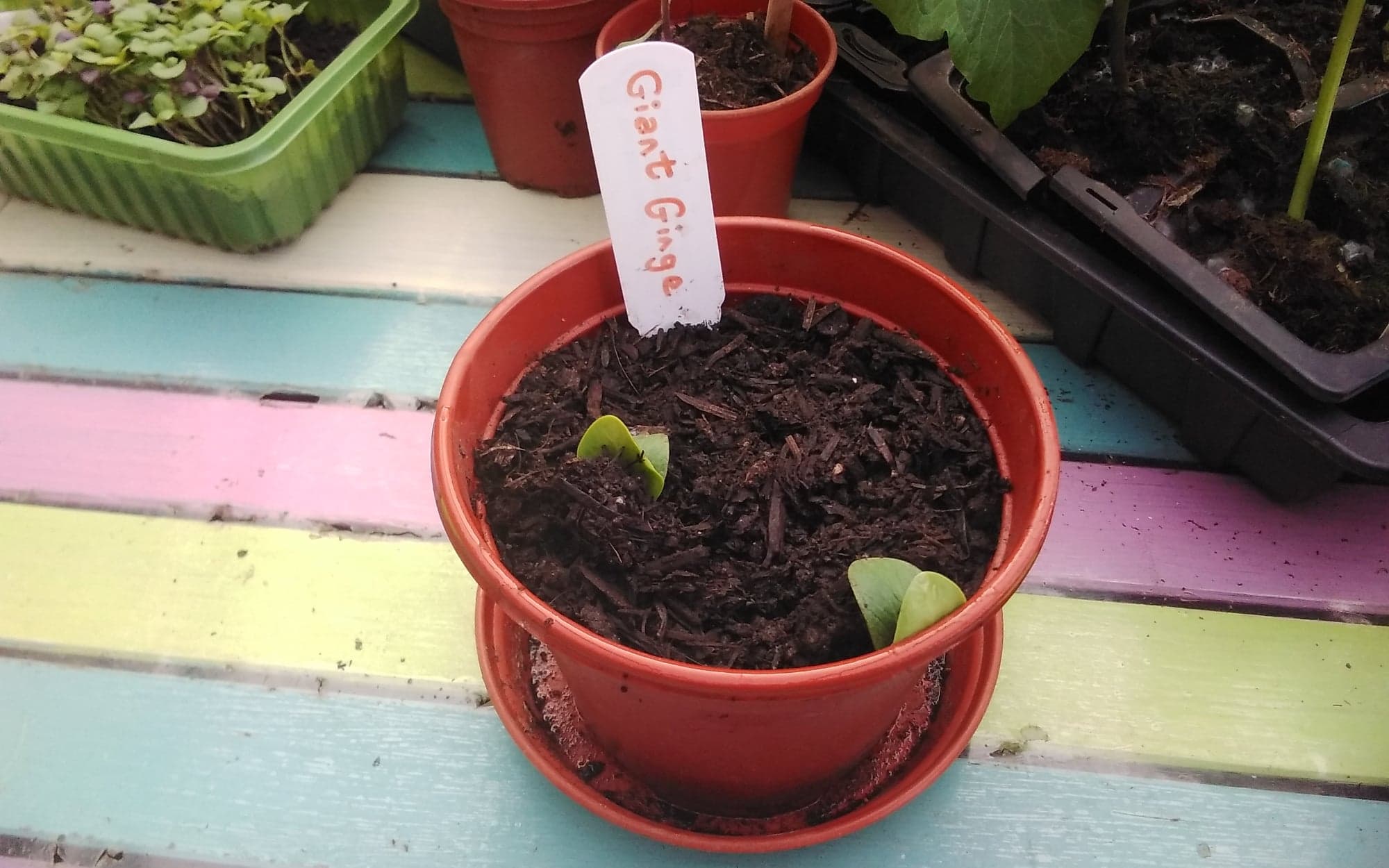
 Alongside all of this I’ve been processing wax and making candles (watch this space for future details on where and how to buy), and experimenting with sowing and growing pollinator-friendly flowers, on both apiary sites and also in my garden at home. The one thing that hasn’t properly happened (yet!) is honey harvest. What with bee losses and so much change: repeating steps, backtracking, troubleshooting and restarts, taking the bees’ precious food (which they work so hard to produce) is way down on my ‘must do’ list. It is a long-shot but I’m hoping I may still get to take off some honey this season. Not impossible (still a few weeks to go yet, before the autumn wind-down) but unlikely; bottom line being that, whatever honey my bees do manage to make and store, they need it more than me. There is always next year, and in the meantime I can satisfy myself with knowing that I’ve learned a lot in this first year, and will continue to do so …
 How could it not be with the past four years build-up to WWI centenary commemorations reaching their culmination on this, the 100th anniversary of Armistice Day. My own direct connection to WWI (The ‘War to End All Wars’ – yeah, right.) is via my grandfather, William Frederick Wiseman, who I never met (he died three years before I was born) but know enough about to understand the horrors endured as a young soldier, injured and taken POW. It disappoints me that, in amongst the hype of ‘lest we forget’ and ‘never again’ , very little attention is being given to those who, while they may have survived bodily intact, were utterly blown apart emotionally and mentally; this devastation showing not so much physically but more in behaviour and personality; shellshock (now more accurately understood as PTSD) being a definite consequence for my grandfather, echoing down through future generations.
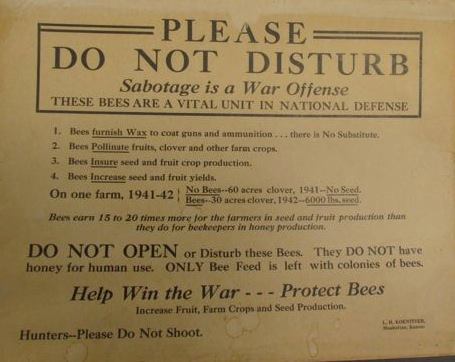 OK, so on closer inspection it turns out to be the wrong era; WWII as opposed to WWI; and of American origin, rather than UK. But I’m fairly certain similar principles apply both sides of ‘the pond, with agricultural practices remaining largely unchanged across the decades. Turns out honeybees played a vital role in national defence; not only in the production of food and seed but also in the manufacture and maintenance of military equipment – with 350 or more uses for
  SomewhereinwestCornwall