
Complex regional pain syndrome (CRPS) is an uncommon neurological disorder causing chronic pain that cannot be controlled, with a range of additional symptoms negatively impacting all aspects of a person’s life.
CRPS typically begins in a limb (leg, foot, arm, hand) and is usually triggered by a minor injury or surgery. It can also appear spontaneously, with no apparent cause.
CRPS can hit anyone, at any time. CRPS may go into remission, or it may get worse, and it may spread to other areas of the body, over time.
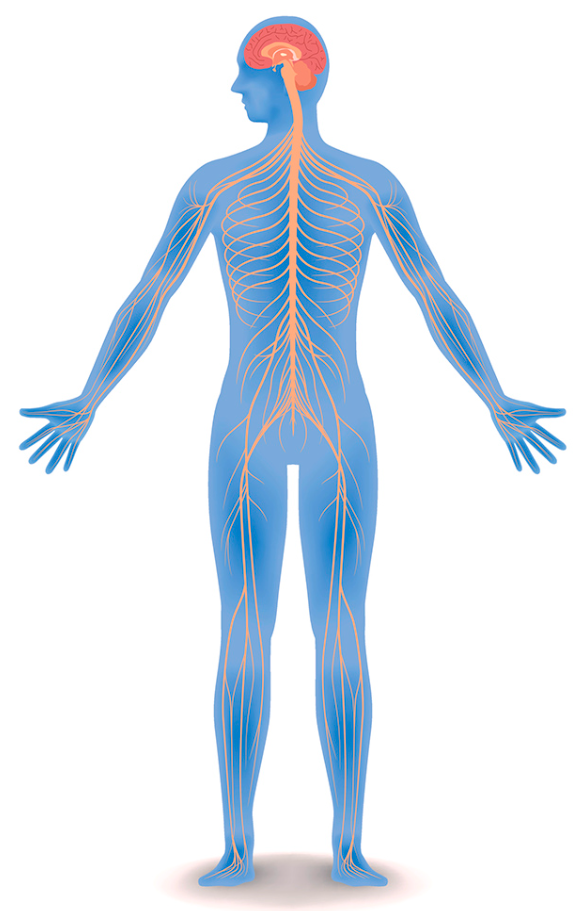
CRPS is poorly understood, but it is now generally agreed that both the central and peripheral nervous systems are involved, with overactivity of the sympathetic nervous system confusing brain-body communication.
CRPS is one of the most painful conditions known to medicine. The McGill Pain Index (a scale used to measure pain intensity) ranks CRPS higher than childbirth, amputation, and cancer pain.
CRPS is an ‘invisible’ disabilities, easily mistaken as ‘a mental health problem’ or dismissed simply as faking/imagining it, and/or attention seeking.
CRPS is known as ‘the suicide disease’ because the unrelenting pain and reduced quality of life take a severe toll on mental health, causing anxiety, depression, and feelings of hopelessness (worsening as the years go by). The practical implications – being unable to work or socialise, the inability to earn a living and the loss of self – can cause the sufferer to question: what is the point of me?’
CRPS is a lonely place.

